.png)


Rendering for gaming
Render game art with the right finish
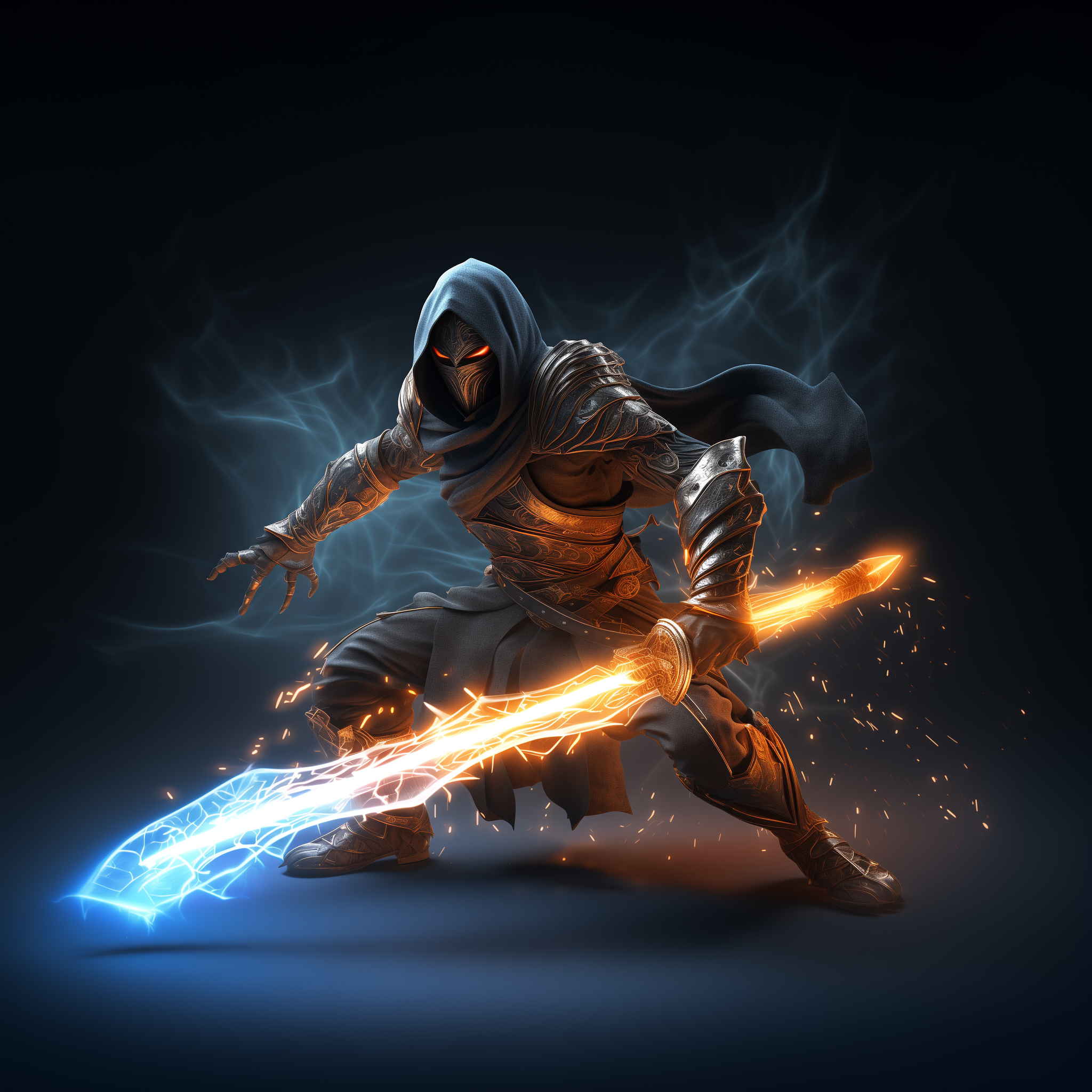
For game teams, rendering is often the stage where character work, lighting choices and camera decisions either hold together or fall apart. Mimic Productions provides 3D rendering services for gaming projects from Berlin, with support for lighting, camera animation, head tracking and compositing. The aim is to present your assets at their strongest in cut-scenes, trailers, key art and promotional stills. Our rendering approach starts with the assets you already have in development. We review modelling, materials, texturing and the intended use of each frame, then recommend an efficient route for the job, whether that means in-house rendering for smaller deliveries or coordination with external render farms for larger workloads. That matters in gaming because the same character may need to work across gameplay, cinematic sequences and campaign visuals, each with different technical constraints. We also treat lighting as part of the storytelling. In games, a render is rarely just about technical correctness. It needs to read mood and intention quickly, especially when a character, environment or action beat has to sell in a single image. Our lighting artists collaborate closely with texturing to refine shaders, materials and maps so the final image feels controlled rather than over-processed. Camera animation is another useful layer for gaming teams preparing teasers, pitch films or cinematic shots. Digital cinematography gives you freedom to stage movement and composition without the limits of physical cameras, while still keeping the shot language grounded in the project’s art direction. Where live-action and digital elements need to meet, our head tracking and compositing workflows help align facial motion, rendered assets and footage into one visual piece. This service is suited to studios that need presentation-ready output rather than a generic render dump. You may need a high-end sequence for a publisher review, a character turnaround for approval, a stylised trailer shot or support for a hybrid performance piece.
Production challenges
Common render bottlenecks
Gaming teams usually come to rendering with visual assets that are close, but not yet finished for external presentation or final approval.
01
Assets that need final polish
Models, textures and materials may work in-engine but still need more controlled lighting, shading and camera treatment for trailers or stills.
03
Hybrid shots need careful integration
When digital faces, live-action footage or layered VFX are involved, compositing and head tracking must be planned early to avoid visible mismatches.
02
Different outputs for different uses
A cinematic frame, a store page image and an internal approval render rarely need the same treatment, so the delivery plan has to match the use case.
What your team gets
What this adds to a game pipeline
01
Presentation-ready frames
Render character and environment assets so they read clearly in marketing and approval contexts.
02
Lighting with purpose
Use lighting to support story tone, highlight materials and guide the viewer’s eye.
03
Practical production choice
Scale between in-house rendering and external render farm coordination depending on delivery needs.
04
Cleaner handoff
Keep the process aligned with asset readiness, compositing requirements and final output format.
Capabilities and deliverables
Core rendering support
-
- Photoreal and stylised rendering. Agree the visual target, review stages and final output requirements.
-
- Lighting setup and refinement. Review illumination and contrast against the intended visual reference.
-
- Camera animation for digital cinematography. Plan framing and movement around the subject and viewing format.
-
- Head tracking for hybrid shots. Discuss the required result and production scope during the project briefing.
-
- Compositing of digital and live-action elements. Discuss how digital elements should sit within the surrounding footage.
-
- In-house rendering for smaller jobs. Agree the visual target, review stages and final output requirements.
-
- Render farm coordination for larger jobs. Agree the visual target, review stages and final output requirements.
-
- Output guidance for stills and sequences. Discuss the required result and production scope during the project briefing.
Production approach
How we approach gaming renders
For gaming work, rendering is most useful when it respects the realities of production. We begin by checking what the scene is supposed to achieve, then assess whether the assets are ready for final output or still need support in lighting, material balance or camera design. From there, we shape the render to suit the purpose, whether that is a cinematic sequence, a character beauty frame, a promotional still or a mixed-media shot.
Because gaming projects often move between real-time development and offline presentation, we keep the scope focused. That means choosing the right render method for the job, aligning with the art direction and deciding where compositing or head tracking will add value. The result is a controlled visual finish that helps your team present the work clearly without overcomplicating the production path.
Provide the intended shot list, reference lighting and final presentation format. Review framing, materials and exposure together, then agree the animation, compositing and output requirements before committing to final frames. For games, distinguish playable actions, cinematic sequences and promotional assets, because each is reviewed in a different context.
Explore our 3D Rendering services and Gaming production.
Related production services: 3D Modeling for Gaming · Digital Hair and Clothing for Gaming · 3D Rendering for XR.


How we work
From asset review to final frame
01
Review the scene
We look at the model, texture and shot requirements, then confirm whether the work is for a still, a sequence or a hybrid shot.
02
Shape the look
Lighting, materials and camera choices are adjusted to support the mood, story point and intended level of realism.
03
Render and integrate
We produce the frames in-house or coordinate larger rendering needs, then composite any digital or live-action elements that belong in the shot.
04
Deliver for use
Final outputs are prepared for the agreed format so your team can use them in review, promotion or post-production.
Frequently asked questions
Questions from game teams
Is this service meant for gameplay optimisation?
No. Rendering here is about final visual output, not engine optimisation or gameplay engineering. We can support presentation-ready stills, cinematics and hybrid shots, but the underlying real-time build remains the responsibility of your game pipeline.
Can you work from assets already in production?
Yes. That is often the most practical starting point. We review the existing model, texture and scene setup, then advise what needs to change for the render to work well in the intended format.
Do you only render photoreal images?
No. The right approach depends on the project. For games, that can mean photoreal characters, stylised promotion frames or cinematic shots that still match the game’s art direction.
Can rendering help with trailers and key art?
Yes. Rendering is useful when you need polished stills or motion pieces for marketing, publisher review or launch material. Camera animation and lighting are often the parts that give those assets a stronger finish.
How do you handle large render workloads?
The source states that smaller projects can be rendered in-house, while larger productions can be coordinated through external render farms. That means the setup can be matched to the size and timing of the job.
What should we prepare before starting?
A clear brief, the intended use of the output, and the assets that are ready for review are the most helpful starting points. If the shot involves live-action footage, digital faces or layered VFX, it also helps to define those requirements early.
Frequently asked questions