
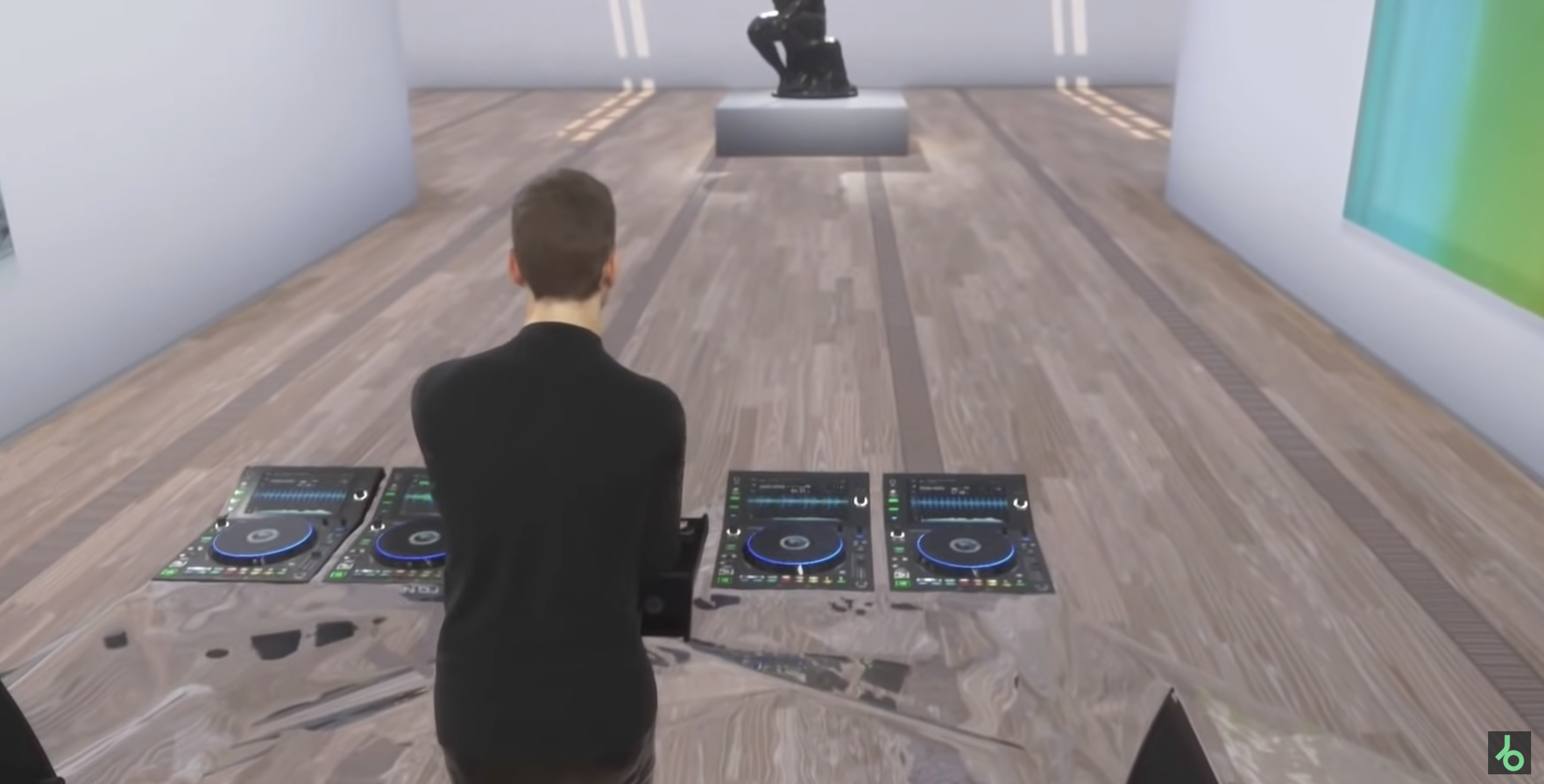


Real-time character production
Built for music videos that need digital performers
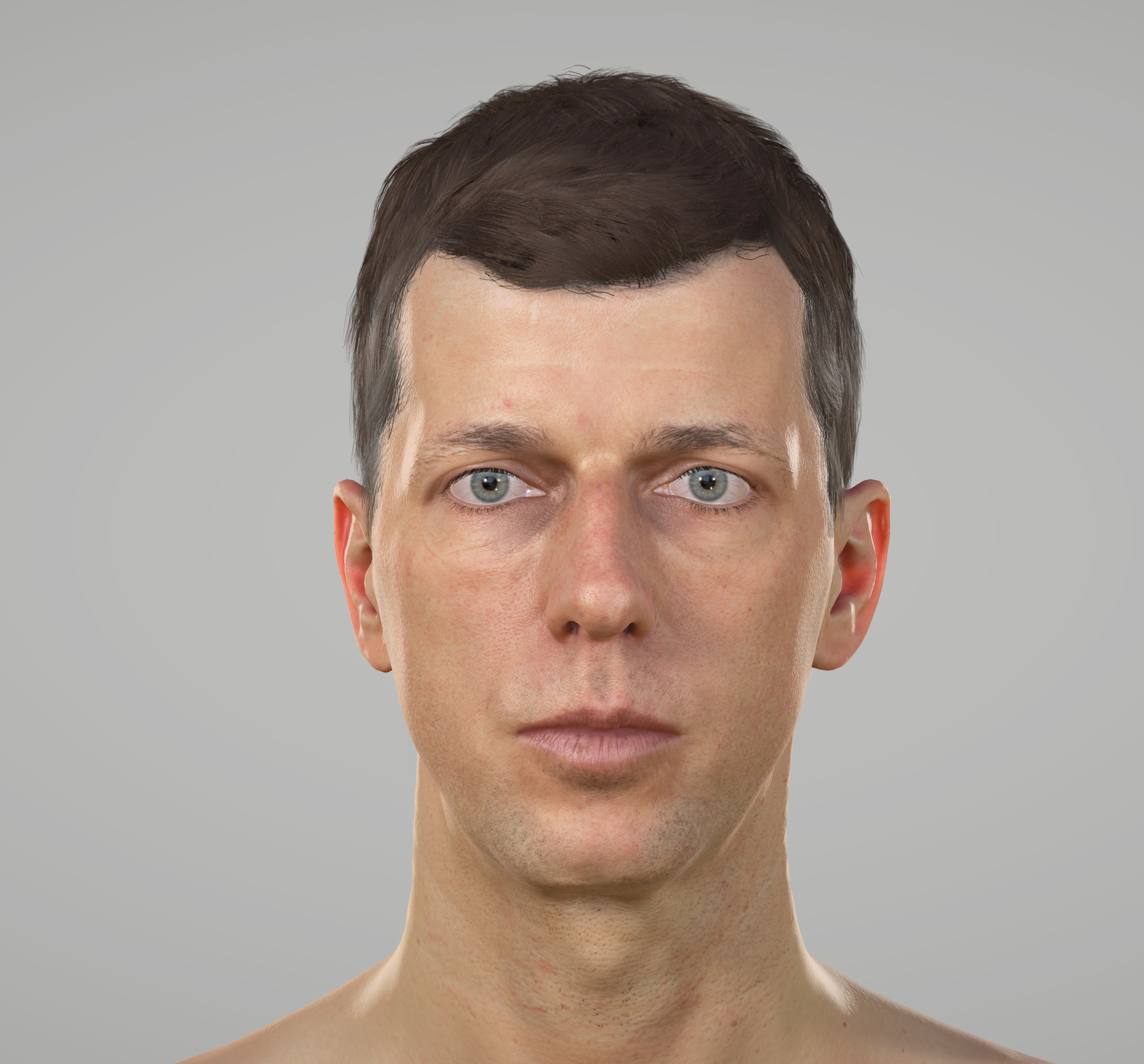
Music videos depend on presence. When an artist needs a digital double, an avatar performance, or a real-time visual concept, the asset has to hold up in motion, in close-up, and under production pressure. Mimic Productions develops photo-realistic 3D avatars and optimised real-time character assets for music videos, with workflows that support facial animation, body performance, rigging, shader setup, and deployment in major engines such as Unreal Engine and Unity.
For the music industry, that means the asset is not treated as an isolated model. It is prepared for how a video is actually made: fast review cycles, performance capture, stylised or realistic looks, and the need to keep the artist recognisable while expanding the visual language around them. Our Berlin team has produced real-time character work for music projects including Robin Schulz, Kanye West, The 1975, J. Balvin, Griff, Kojey Radical and Arca, with documented contributions ranging from full 3D production to facial animation, rigging, and motion capture.
Production challenges
Common production pressure points
Music videos ask real-time assets to do more than look good. They must perform convincingly, hold up in fast creative reviews, and arrive ready for the chosen pipeline.
01
Artist likeness under motion
The asset needs to stay recognisable in dance, lip-sync, and close framing. That means careful avatar construction, facial detail, and rigging that supports expressive movement.
03
Performance capture and handoff
A music video may use live or recorded motion capture, then require animation clean-up before delivery. The asset must be ready for the team using it, whether the final stage is Unreal, Unity, or another real-time setup.
02
Fast iteration across departments
Directors, labels, animators, and editors often need changes late in the process. Real-time workflows help only if the character has clean textures, tested shaders, and dependable engine performance.
What your team gets
What the asset needs to solve
01
Recognisable digital doubles
Built from scan data or reference imagery to keep the artist’s identity intact.
02
Engine-ready character setup
Prepared for Unreal Engine, Unity, and other real-time platforms.
03
Performance-driven motion
Supports facial and body capture for dance, lip-sync, and live appearance.
04
Cinematic visual control
Allows shading, lighting, and animation choices to be reviewed in real time.
Capabilities and deliverables
Relevant production capabilities
-
- 3D avatar creation from scan data or reference imagery
-
- Real-time character optimisation
-
- Facial and body motion capture
-
- Animation clean-up
-
- Rigging and skin deformation support
-
- Shader and texture preparation
-
- Unreal Engine integration
-
- Unity integration
Production approach
Why real-time assets work well for music videos
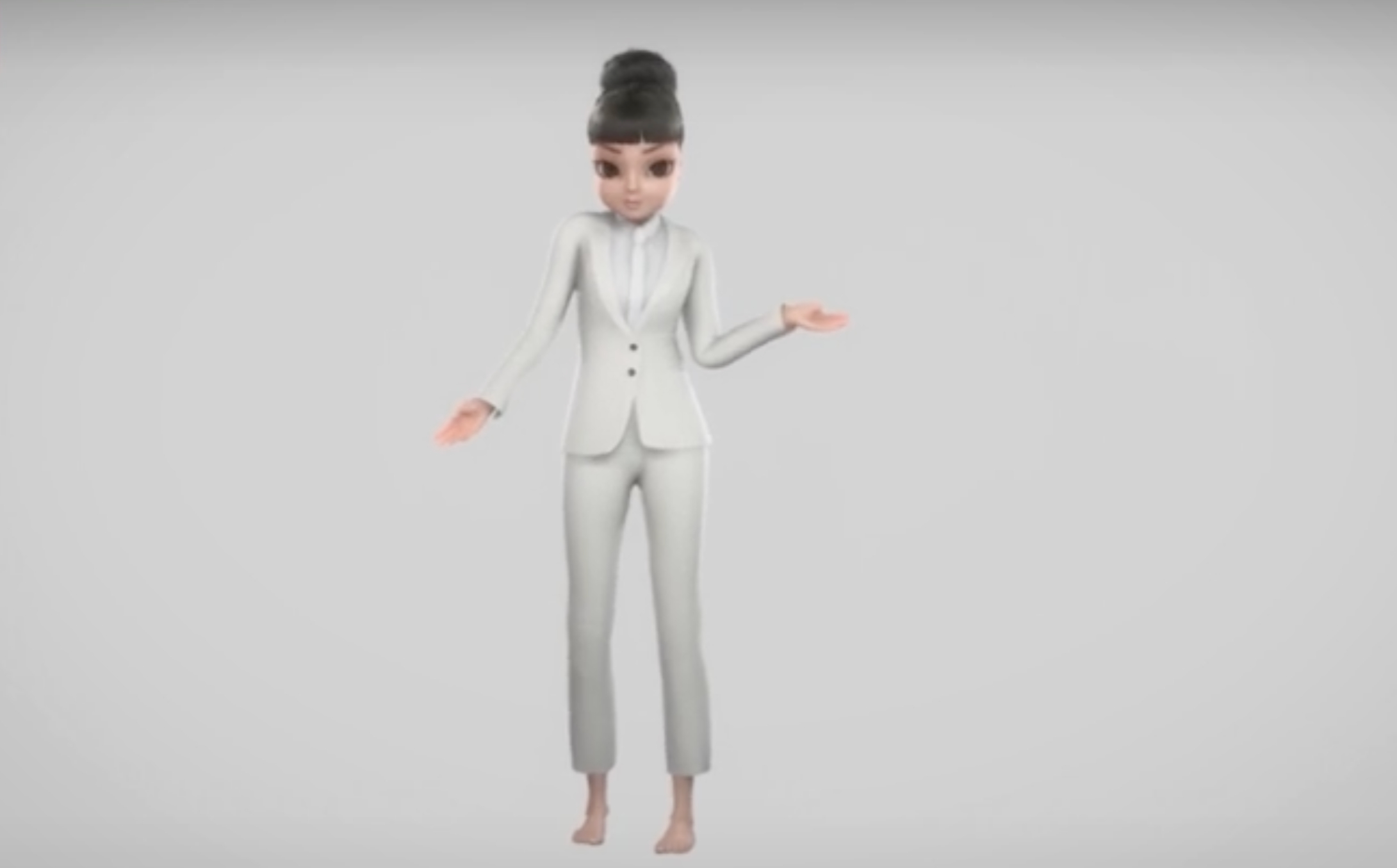
A music video often needs the speed of iteration without losing the finish expected in a release-quality piece.
Specify the target application, camera distance and expected scene complexity. Review the asset in that context and agree responsibilities for optimisation, import and testing, including how materials and animation should behave in the final experience. For music videos, provide the track, treatment and performance references so character movement can be discussed alongside edit timing.
Explore our Real-Time Assets services and Music Videos production.
Related production services: 3D Modeling for Music Videos · 3D Animation for Music Videos · Real-Time Assets for Immersive Events.


How we work
How the work is usually approached
01
Define the performance brief
We review the role of the avatar or character, the target look, the music-video format, and the intended output engine or pipeline before production begins.
02
Build and optimise the asset
The character is developed or adapted with textures, shaders, rigging, and deformation support so it is suitable for real-time use and repeated animation.
03
Capture and clean the motion
Facial and body motion capture can be recorded in Berlin or offsite, then cleaned up so the performance reads naturally in the final video.
04
Integrate and review in engine
We test the character in Unreal, Unity, or a comparable real-time environment to check timing, lighting, and animation fidelity before handoff.
Frequently asked questions
Frequently asked questions
Q.1 Can you build an avatar from photos or scan data for a music video?
Yes. An artist avatar can be developed from scans or suitable reference images. Reference coverage and the required likeness determine the modelling work. Share the storyboard and close-up requirements so the character can be prepared for the shots and real-time production workflow.
Q.2 Do you only work in Unreal Engine?
No. We support Unreal Engine and Unity. The Robin Schulz music-video work is an example of our Unreal Engine production, but your project should use the pipeline suited to its delivery. Confirm the engine and required asset package before modelling and integration begin.
Q.3 Can the asset be used for live performance as well as a music video?
Potentially, yes. The service source says real-time facial and body motion capture systems can enable characters to perform live, and mentions virtual performances and live holographic performances as applications. For any live use, the technical setup still needs separate planning.
Q.4 Do you provide the whole music video?
Sometimes, but not always. The official sources document both full 3D music video production and narrower contributions such as facial animation, rigging, motion capture, and real-time character work. The exact scope should be agreed per project.
Q.5 What handoff material do labels or editors usually need?
Agree the engine-ready asset package before production, including the character, materials, rig and animation required by your scene. The handoff should identify the target engine version and any dependencies. Lighting and animation checks should reflect the shots that the music-video team needs to produce.
Q.6 Are these services suitable for stylised or realistic videos?
Yes. We work on realistic and stylised characters. The visual approach should follow the artist’s creative direction and the storyboard. Rigging, motion and real-time preparation still need to be planned for the selected design so the character performs consistently throughout the video.
Frequently asked questions
Frequently asked questions
For music video production, real-time character production scope depends on existing asset quality, geometry and texture budgets, rig complexity and integration. Send the engine version, target hardware, asset budgets and required interactions. Provide the storyboard, song timing, close-up requirements and release formats so the character work follows the performance.