


Motion capture for creatures
Capture performances that feel animal, alien or impossible
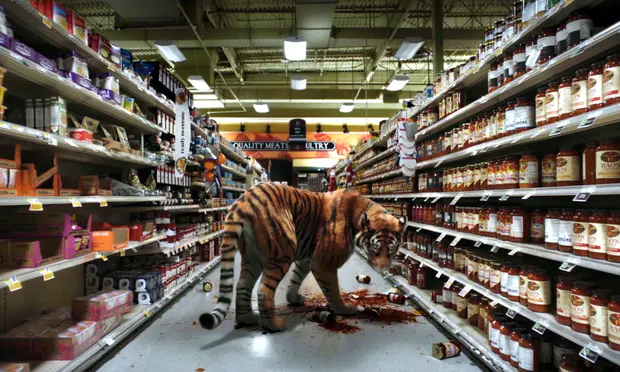
Creature work asks different questions from human character capture. The performance has to read as believable movement even when the body shape, proportions and anatomy are unfamiliar. That means planning for rig constraints, contact points, performer casting, reference needs and how the captured data will be cleaned before it reaches animation.
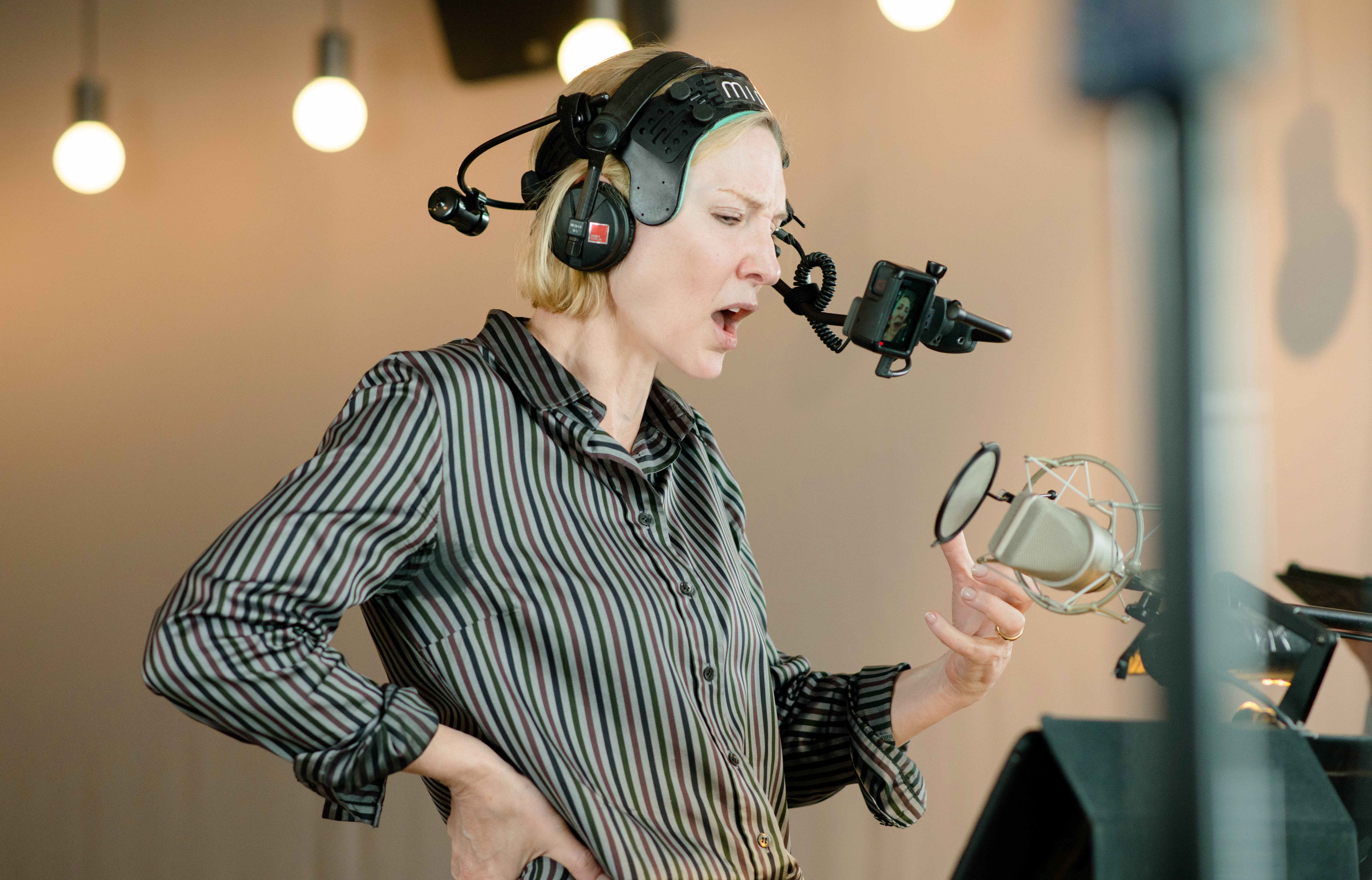
Mimic Productions provides motion capture services from our Berlin studio and on location, with facial motion capture, optical body mocap and realtime markerless options. For creature projects, that can support the parts of production where movement needs to be explored quickly, tested against a design, or recorded with enough fidelity to preserve the nuances of an actor’s timing and intent. The result is practical capture data for film, games, VFX and interactive work, delivered in industry-standard formats.
Production challenges
What makes creature capture hard
Creature animation is rarely a simple body-double exercise. The capture needs to hold together once the design changes shape, stride or scale.
01
Unusual anatomy
Extra limbs, tails, horns or altered proportions can break standard movement assumptions, so the performance has to be planned with the creature rig in mind.
03
Live production pressure
For realtime or event-led work, capture must be dependable, previewable and supported through setup, testing and facilitation on the day.
02
Expressive faces
Creature faces may need subtle emotion or highly stylised timing. Facial capture has to preserve intent without losing the character of the design.
What your team gets
Why teams use it
01
Preserve acting choices
Capture body and facial performance together so creature movement keeps the original timing and emotion.
02
Support design iteration
Use realtime preview and recorded references to judge how a creature reads before final animation passes.
03
Work on site or in studio
Choose a portable or studio-based setup depending on location, schedule and production constraints.
04
Hand off cleanly
Receive motion data in standard formats and support for solving, editing and export.
Capabilities and deliverables
Creature-ready capture capabilities
-
- Facial motion capture with wireless HMC
-
- Optical body motion capture
-
- Realtime markerless body mocap
-
- Realtime facial motion capture
-
- Multiple performers tracked simultaneously
-
- Prop and rigid body tracking
-
- On-location portable capture
-
- Motion solving, editing and export
Production approach
Built for creature animation pipelines
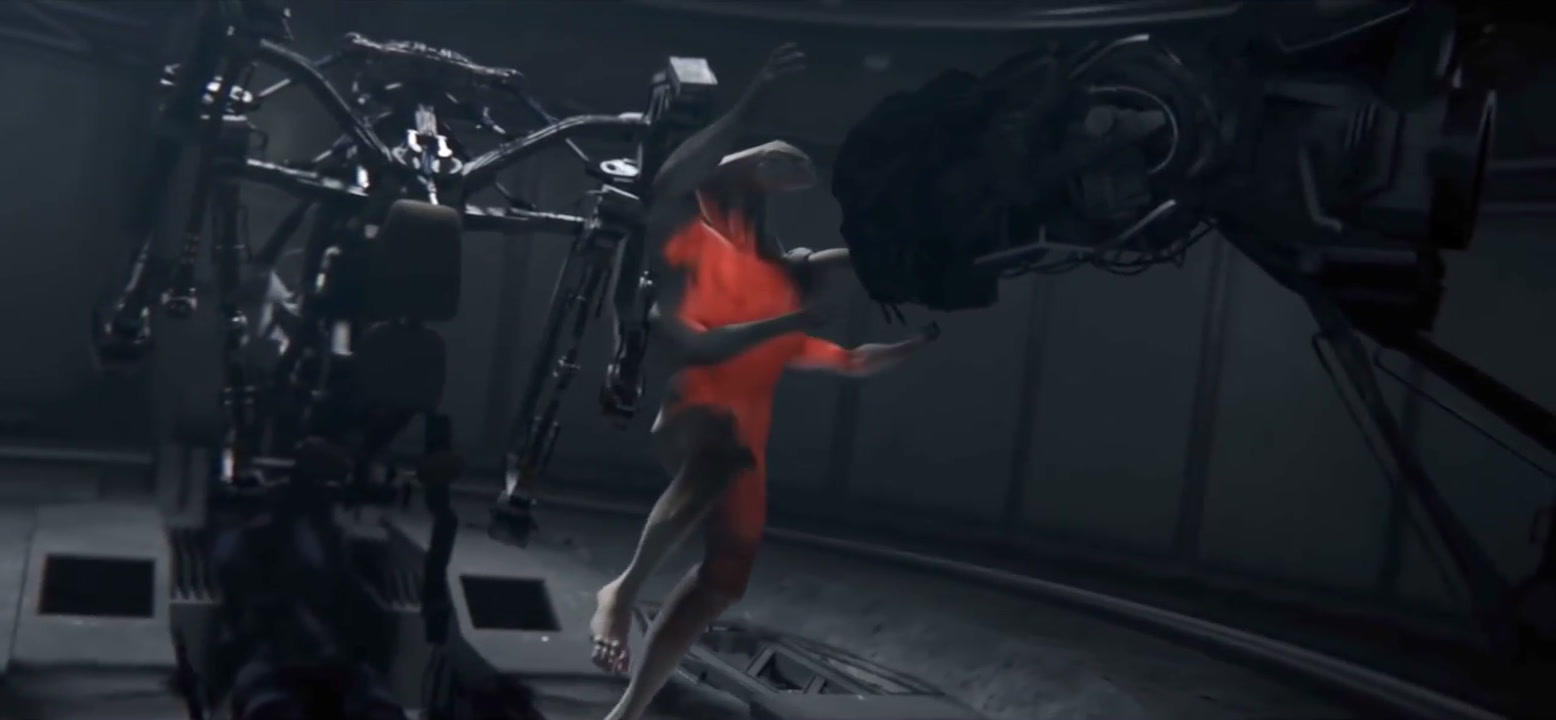
For creature projects, the capture service is only one part of the job.
Prepare an action list with references for timing, contact points and character proportions. Identify continuous performances, repeated cycles and facial requirements separately, then agree how takes will be reviewed and which cleanup or animation work belongs in the delivery scope. For creatures, provide anatomy, silhouette and movement references, including how the design should behave in close-up and full-body views.
Explore our Motion Capture services and Creatures production.
Related production services: 3D Animation for Creatures · Character Rigging for Creatures · Motion Capture for VFX.


How we work
How a creature session runs
01
Plan the brief
Define the creature’s movement goals, capture method, space requirements and whether face, body or both must be recorded.
02
Test the setup
Check tracking, performer movement, props and reference capture before the main session so the team can avoid avoidable downtime.
03
Record and preview
Capture performances in studio or on location, with realtime preview where the project benefits from immediate review.
04
Solve and deliver
Process, edit and export the motion data in the agreed format so animation can continue without rework.
Frequently asked questions
Frequently asked questions
Q.1 Can you capture a creature even if it does not move like a human?
Yes, provided the motion plan is built around the character and the rig. The capture may start from human performance and then be adapted during solving and animation. For more unusual anatomy, the useful part is often the timing, weight and intent rather than a direct one-to-one final pose.
Q.2 Do you offer facial capture for creatures as well as body capture?
Yes. Mimic offers facial motion capture and body mocap, and can record both together using wireless head-mounted cameras with optical body capture. That is useful when the creature needs its emotion, speech or subtle facial behaviour to stay in step with the body performance.
Q.3 Is realtime capture suitable for creature projects?
It can be, especially when the project needs immediate preview, live events or fast iteration against a 3D character. Realtime capture is also used for digital communication, holograms and live projections. The main question is whether the project benefits from instant feedback or from a more traditional post-production workflow.
Q.4 Can you work on location if the creature production cannot come to Berlin?
Yes. The motion capture system is described as fully portable and adaptable to almost any environment. That makes it possible to plan sessions on location when the production schedule, space or collaboration needs call for it, while still keeping the capture workflow under technical control.
Q.5 What do you deliver at the end of the session?
The team can handle solving, motion editing and motion exporting, with final data available in industry standard formats such as FBX, C3D, Maya and 3ds Max. That gives animation teams a practical handoff point for further cleanup, rig testing or integration into the wider pipeline.
Q.6 Do you provide completed creature case studies here?
The selected projects show the individual production contributions stated in their captions. They should not be read as a claim that every project used creature motion capture. For your creature brief, we can discuss how captured human movement might be adapted through rigging, retargeting and animation.
Frequently asked questions
Frequently asked questions
For creature production, motion capture scope depends on performer count, capture time, facial recording and the amount of animation cleanup. Send an action list, performer needs and the required animation handoff. Provide anatomy references, expected movement and camera distance, especially where the design departs from a human body.