.png)
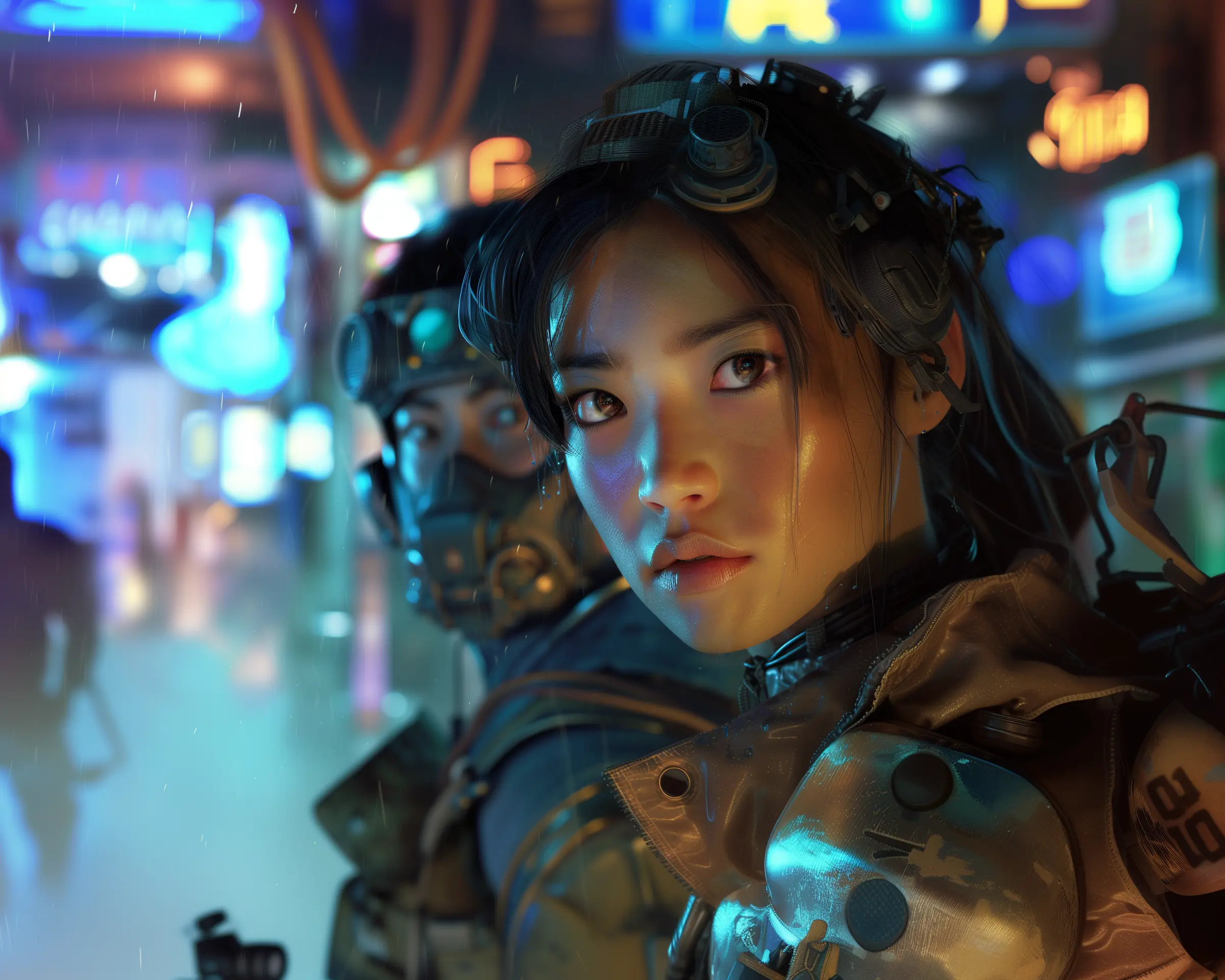


AI avatars for gaming
Built for game teams that need characters to speak, react and stay on brand
Mimic Productions creates AI avatars from our Berlin studio for gaming teams that want digital humans with a clear role in the player journey. That can mean a virtual host for a launch site, a character-led onboarding experience, an interactive spokesperson for a community campaign, or a production asset that supports a larger game narrative.
Our work starts with the look and performance of the avatar, then moves into the delivery path that suits your project. We can produce a video-first avatar for trailers, social content or internal communication, or build an interactive version with conversational intelligence, multilingual output and analytics where the experience needs to respond in real time. For gaming, the practical question is not only how the character appears, but how it fits your build, your platform, and your release timetable.
Production challenges
Common production issues
Game teams often need the avatar to fit both creative direction and platform constraints.
01
Character consistency across channels
An avatar may need to appear in trailers, social clips, live events and in-game touchpoints without drifting from the established art direction or tone.
03
Delivery that matches the build
The wrong output format can slow down implementation. Studios need clarity on APIs, embeddable components, SDKs or video assets before production starts.
02
Interaction without overpromising
A visually convincing avatar is not automatically conversational. Teams need to decide whether they want rendered content, a web-based guide or a real-time agent.
What your team gets
What this service helps with
01
Game-specific character direction
Avatar design can be tuned to stylised, realistic or branded game aesthetics.
02
Flexible runtime options
Choose rendered footage, web deployment or real-time integration to suit the use case.
03
Multilingual audience reach
Support different regions with voice and lip-sync planning for localisation.
04
Clear consent and rights handling
Voice cloning and likeness replication are handled only with explicit permission.
Capabilities and deliverables
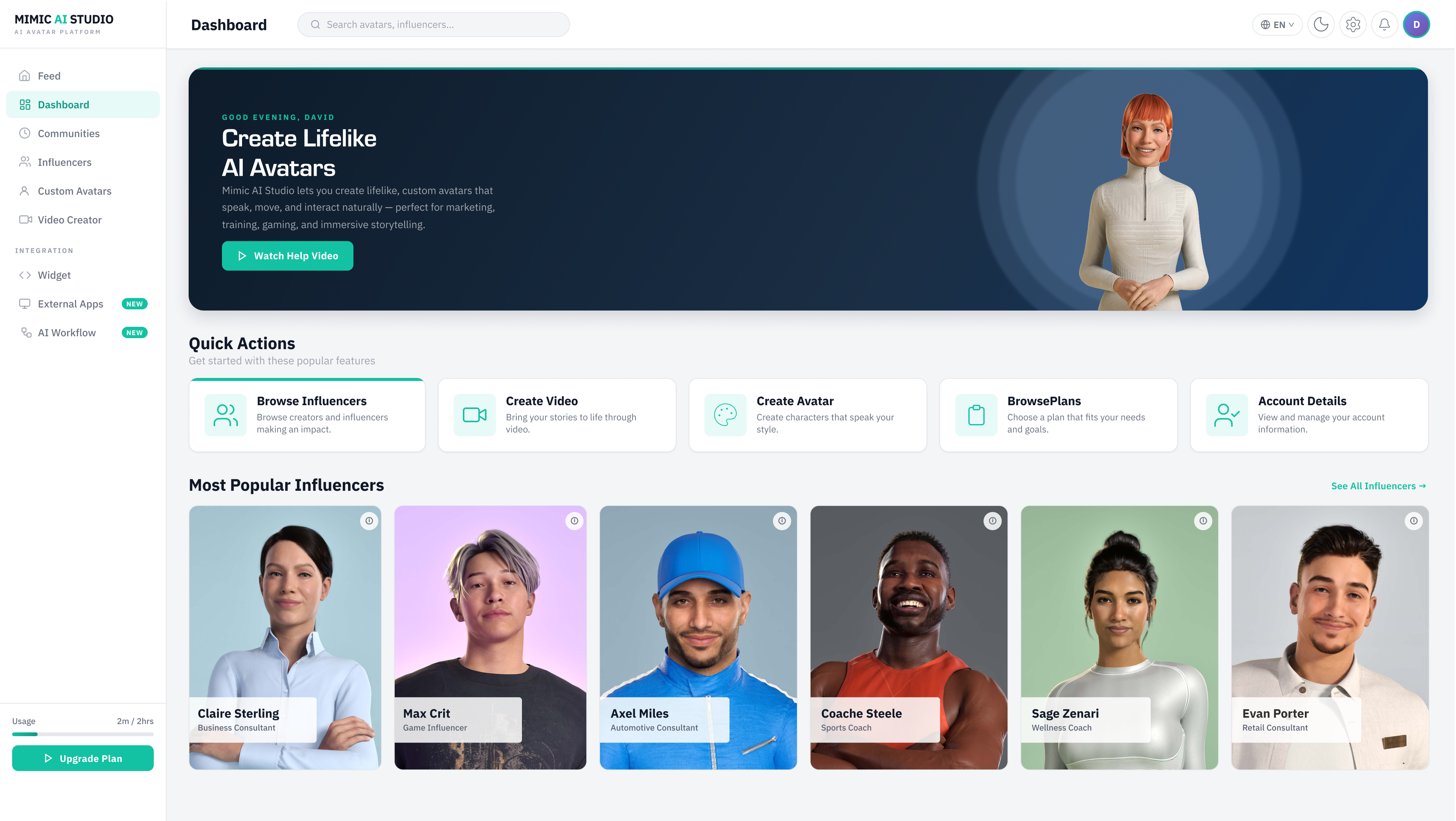
Core capabilities
-
- Custom AI avatar development. Define the character’s role, appearance and intended interaction setting.
-
- Phone or webcam capture workflows. Plan the session around action references and performance requirements.
-
- Photogrammetry and high-fidelity 3D scanning. Agree subject coverage and the downstream use of the captured detail.
-
- Full 3D modelling for stylised characters. Shape the asset around its proportions, intended views and downstream use.
-
- Professional rigging and facial blendshapes. Review proportions, range of movement and the animation handoff.
-
- Voice cloning with consent. Discuss the required result and production scope during the project briefing.
-
- Conversational AI and tailored NLP. Define the character’s role, appearance and intended interaction setting.
-
- Unreal Engine and Unity integration. Discuss the target application and practical performance constraints.
Production approach
How we approach gaming avatar work
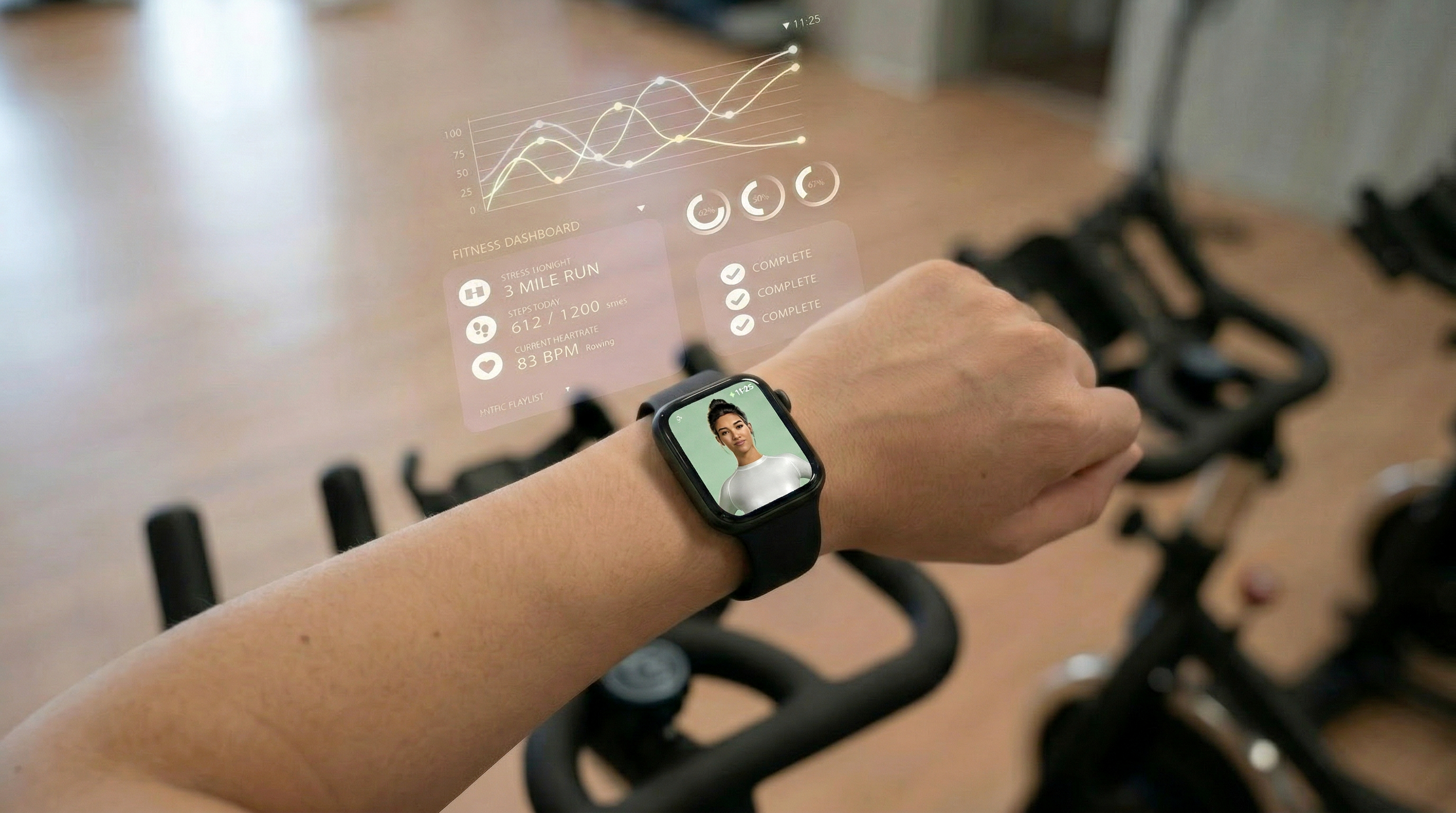
For gaming projects, the avatar has to do more than look convincing. It needs a role, a technical path and a delivery format that suits the team using it. We can build for marketing, community engagement, onboarding, support or in-world interaction, depending on whether the experience is better served as video, a live conversational guide or an integrated real-time character.
Our studio manages the production pipeline from design and capture through modelling, rigging, animation, voice integration and output. When needed, we can add session memory, multilingual support and analytics so the avatar behaves consistently across audiences and can be reviewed after launch. If the project is intended for a game engine or interactive platform, we plan for that from the start rather than treating integration as an afterthought.
The service combines custom character design, capture and scanning options, rigging, facial blendshapes, voice work, and final compositing. Where interaction is required, we can connect the avatar to conversational systems, web components, apps or real-time engines such as Unreal Engine or Unity. Where the use case is content-led, we focus on production-ready footage and a clear handoff for marketing, localisation or community use.
Gaming teams usually need a character that can hold attention without becoming a technical burden. We plan for consent, licensing, language versions, and the difference between a rendered asset and an always-on interactive agent. That keeps the output realistic for studios, publishers, agencies and creators who need an avatar that is useful, maintainable and aligned with the game world rather than just visually impressive.
Explore our AI Avatars services and Gaming production.
Related production services: Character Rigging for Gaming · 3D Animation for Gaming · AI Avatars for XR.


How we work
From concept to handoff
01
Define the use case
We clarify whether the avatar is for video, an interactive website experience, a live event, or an engine-based deployment.
02
Build the character
Our team develops the likeness, style and performance setup, using scan, model or stylised creation methods as required.
03
Connect voice and behaviour
We add lip-sync, voice, dialogue logic and any multilingual or analytics features that the project needs.
04
Deliver in the right format
You receive the asset set, rendered output or technical integration path, with practical handoff notes for your team.
Frequently asked questions
Frequently asked questions
Can an AI avatar be used inside a game or launcher experience?
Yes, if the project scope supports it. We can produce avatars for web, app and real-time environments, and we can discuss integration with engines such as Unreal Engine or Unity. The right approach depends on whether the avatar is part of a live interaction, a pre-rendered sequence or a broader player-facing workflow.
Do you create avatars that look like real people?
We do, provided there is explicit permission for likeness use. We offer phone or webcam capture workflows for faster personal avatars, and photogrammetry or high-fidelity 3D scanning for more detailed replicas. For gaming, this can be useful for host characters, likeness-led campaigns or creator-led promotional work.
Is this the same as a chatbot with a face?
No. A chatbot is text-first, while an AI avatar combines a visible digital human with voice, expression and optional real-time conversation. For gaming teams, that distinction matters because the visual performance, the dialogue design and the delivery method all affect how the experience feels to players or viewers.
Can you make a stylised avatar instead of a photoreal one?
Yes. The service is not limited to realistic digital humans. We can build full 3D models tuned to your visual direction, which is often the better choice for game-branded characters, community mascots or narrative hosts that need to sit naturally beside a stylised art style.
What do you provide for localisation?
We can support multilingual output and automated lip-sync, which is useful when a gaming experience needs to reach different regions. The actual scope depends on the script, voice approach and deployment method, and we plan those requirements before production so the handoff is usable for your team.
What should a studio prepare before starting?
It helps to define the audience, use case, target platforms and whether you want video-first delivery or an interactive build. If you already have a character bible, reference art, script, voice direction or engine constraints, we can use that to shape the production approach and propose the most suitable pipeline.
Frequently asked questions