


Hair and Cloth for VFX
Character movement that holds up in close-up
Hair and cloth are often the details that make or break a VFX shot. When they are not behaving convincingly, even a well-built character can feel artificial. Mimic Productions creates 3D hair simulation and 3D cloth simulation for characters, avatars and digital doubles, with options that suit cinematic shots, real-time delivery and mixed pipelines.
Our approach is practical. Some productions need full dynamic simulation, where strands and fabrics respond naturally to gravity, wind and motion. Others need lighter setups that are easier to run in real time, especially when the asset must stay responsive in an engine or on a live production stage. We work with full simulation, bone-driven hair, non-dynamic hair and rigged cloth, then help choose the setup that matches the look, budget and delivery platform.
Production challenges
Common VFX production pressures
Hair and cloth usually fail under one of three pressures: realism, performance or schedule.
01
Close-up realism
In tighter shots, hairlines, flyaways and fabric folds become highly visible. The challenge is keeping the motion physically believable without creating a heavy setup that slows the wider character pipeline.
03
Pipeline fit
Hair and cloth are rarely finished in isolation. They have to pass cleanly between rigging, animation, lighting and post, with clear technical choices so the asset remains manageable for the next stage.
02
Real-time performance
For engines, virtual production and interactive work, simulated hair and cloth must remain responsive. The setup needs to preserve the look while staying efficient enough for live or near-live use.
What your team gets
Why teams bring us in
01
Simulation choices
We can advise on full dynamic, bone-driven or rigged approaches depending on the shot and delivery need.
02
Character-aware setup
Hair and cloth are built to support digital doubles, avatars and creatures rather than sit apart from the asset.
03
Real-time options
For Unreal, Unity and similar workflows, we can optimise character hair and clothing for performance-sensitive delivery.
04
Practical handoff
We focus on setups that are usable by animation, VFX and production teams, not just visually convincing in a test scene.
Capabilities and deliverables
What we can build
-
- Full 3D hair simulation
-
- Bone-driven hair for real-time use
-
- Non-dynamic and rigged hair setups
-
- 3D cloth simulation for varied fabrics
-
- Rigged cloth weighted to the animation rig
-
- Real-time hair and clothing optimisation
-
- Integration for Unreal and Unity
-
- Support for digital doubles and creatures
Production approach
Built for character production, not just a single shot
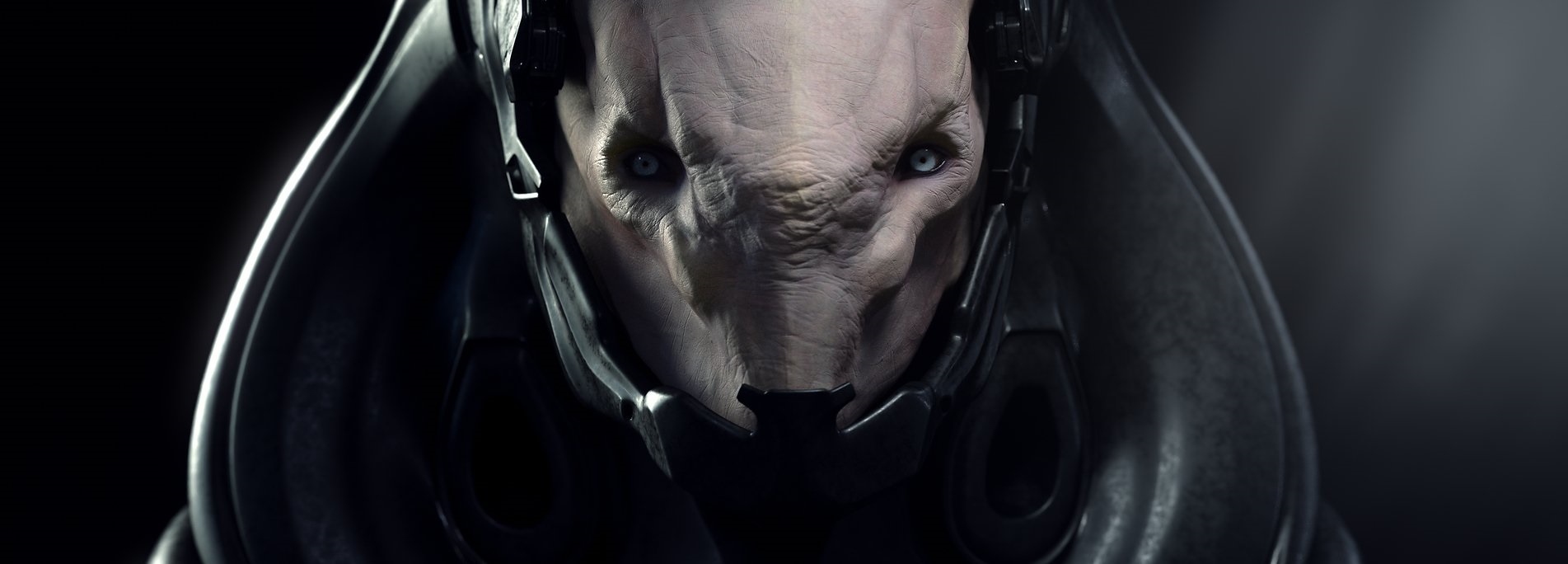
Mimic Productions offers hair and cloth simulation as part of a wider VFX character pipeline.
Provide grooming and garment references together with the character’s planned movement. Review the silhouette in still poses and in motion, and discuss intersections, material appearance and the requirements of the target rendering or real-time pipeline. For film and visual-effects work, include shot references and the relationship between digital characters and live-action footage.
Explore our Digital Hair and Clothing services and VFX production.
Related production services: 3D Modeling for VFX · 3D Animation for VFX · Digital Hair and Clothing for Gaming.


How we work
How the work usually moves forward
01
Review the asset needs
We look at the character style, intended use, delivery platform and performance limits before choosing a simulation path.
02
Select the setup
Depending on the shot or system, we recommend full simulation, bone-driven hair, non-dynamic hair or rigged cloth.
03
Build and test
Hair and clothing are developed against the rig and motion requirements, with an eye on behaviour, stability and usability.
04
Prepare handoff
We deliver the setup so it can move into animation, VFX or real-time production with clear technical boundaries.
Frequently asked questions
Frequently asked questions
Q.1 Do you always use full simulation for hair and cloth?
No. Full simulation is useful when the shot needs highly physical motion, but it is not always the best choice. For some productions, bone-driven hair or rigged cloth is more efficient and easier to manage, especially if the asset must work in real time or across multiple departments.
Q.2 Can you support real-time projects as well as film work?
Yes. The service is set up for both cinematic and real-time requirements. Mimic Productions notes optimisation for engines such as Unreal and Unity, which makes the work relevant for games, XR, AR, virtual fashion shows and other interactive character pipelines.
Q.3 Is this only for human characters?
No. Hair and cloth simulation can support digital doubles, avatars and fantastical creatures. The exact approach depends on the design of the character, the amount of motion involved and how the asset needs to behave in production.
Q.4 Can you work on set or only in your Berlin studio?
Mimic Productions states that it can relocate with portable 3D scanning and motion capture, or work from its Berlin studio in Wedding. For hair and cloth, that flexibility is useful when the simulation work needs to fit a broader capture or character production pipeline.
Q.5 How does this fit with rigging and animation?
Hair and cloth are usually only one part of the wider character setup. The asset needs to sit correctly on the rig and remain stable as animation changes. We treat the simulation as part of the pipeline, so handoff to animation, lighting and post-production stays manageable.
Q.6 Can you advise on the right level of complexity?
Yes. A key part of the service is choosing the appropriate solution, not just building the most detailed version. We can discuss style, budget and platform requirements and then recommend a setup that supports the production without adding unnecessary overhead.
Frequently asked questions
Frequently asked questions
For film and VFX, 3D hair and cloth work scope depends on groom and garment complexity, movement, simulation requirements and runtime limits. Send hair and garment references, the character rig and representative movements. Provide the shot list, camera distance and handoff requirements for the team completing the final shots.