.png)


AI Avatars x VFX
Built for character work that must hold up on screen
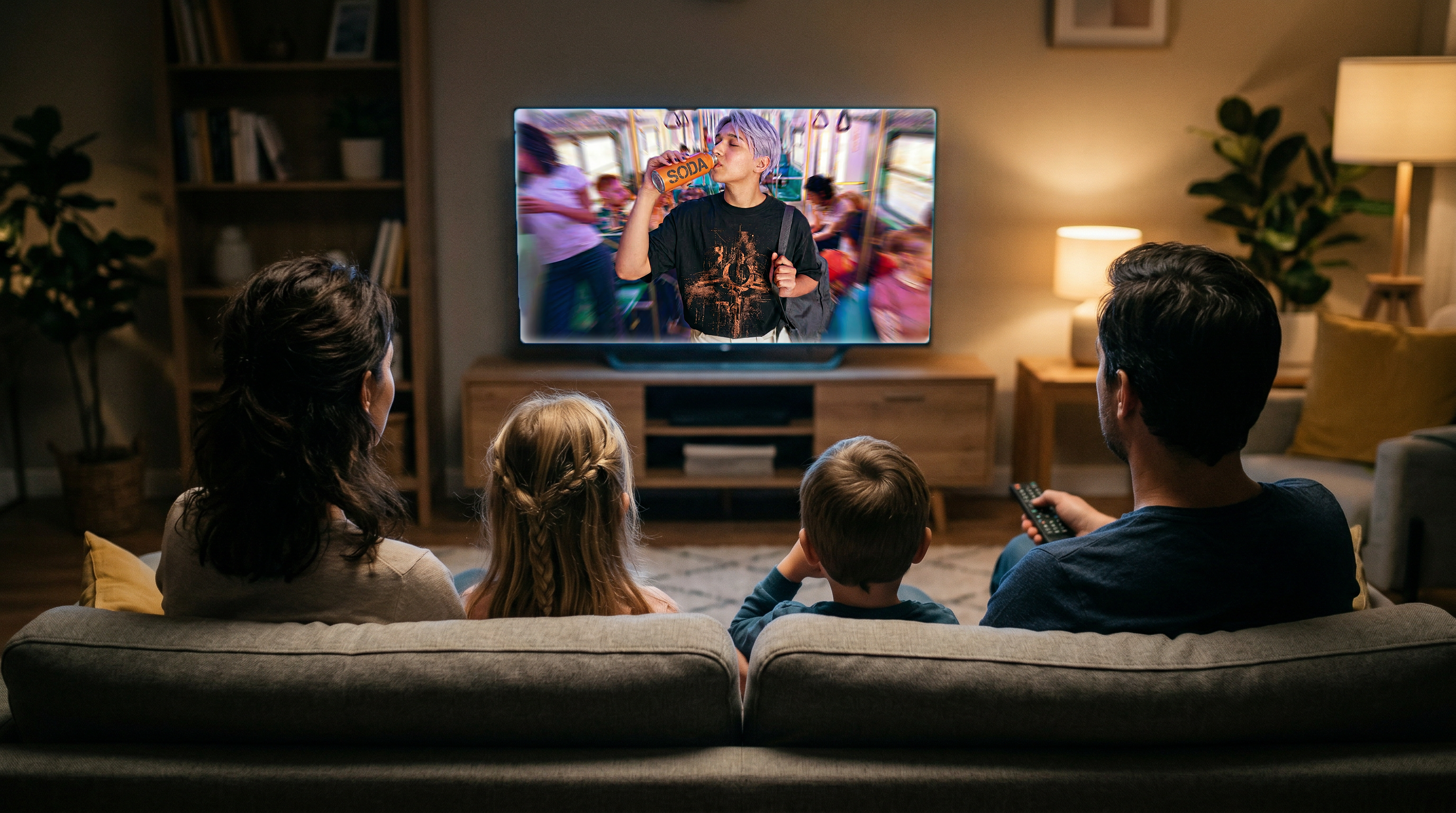
For VFX teams, an AI avatar is only useful when it fits the production pipeline. Mimic Productions creates digital humans in Berlin with a studio process that can support likeness capture, character design, rigging, facial blendshapes, texture refinement, lip-sync calibration and final compositing. The result can be a rendered asset for film, TV or commercial work, or an interactive avatar when a project needs runtime conversation as well as appearance. Our approach starts with the creative and technical target, then selects the right route. Fast personal capture can begin from phone or webcam workflows. If the brief calls for higher fidelity, we can work with photogrammetry and high-resolution 3D scanning. For stylised characters, we build full 3D models shaped to the visual direction. That gives VFX teams options when they need digital presenters, story characters, background performers or brand figures that sit alongside other CG elements without feeling bolted on. Because the VFX context matters, delivery is shaped around handoff rather than novelty. Some projects need a polished video asset for post-production. Others need an embeddable avatar, a web component, mobile SDK support or integration into engines such as Unreal Engine or Unity. We can also align the avatar with motion capture and animation workflows so the character can be treated like any other production asset. For teams already managing complex schedules, this is most valuable when the avatar work is scoped clearly.
Production challenges
Common VFX production pressures
AI avatars are useful in VFX only when they respect schedule, fidelity and handoff requirements.
01
Character realism has to survive scrutiny
A digital human can look convincing in one render and break in the next if rigging, expressions or texture work are not controlled carefully.
03
Consent and likeness must be handled properly
When voice cloning or likeness replication is involved, explicit permission and a clear brief are essential before production begins.
02
Delivery needs to match the post pipeline
Video-first output, real-time deployment and API-based runtime each require different approvals, formats and integration planning.
What your team gets
What this adds to a VFX workflow
01
Production-ready character build
Capture, modelling, rigging and blendshapes are handled as part of a single character workflow.
02
Flexible output routes
Choose rendered footage, interactive deployment or a hybrid approach depending on the final use case.
03
Screen-led visual control
The avatar can be styled as photoreal or stylised to match the world already established in the project.
04
Practical handoff support
Deliverables can be shaped around your editor, compositor, web team or engine setup.
Capabilities and deliverables
Relevant capabilities

-
- Phone or webcam capture. Plan the session around action references and performance requirements.
-
- Photogrammetry and 3D scanning. Agree subject coverage and the downstream use of the captured detail.
-
- Full 3D character modelling. Shape the asset around its proportions, intended views and downstream use.
-
- Facial blendshapes and rigging. Review proportions, range of movement and the animation handoff.
-
- Lip-sync calibration. Identify the expressions and close-up detail required by the performance.
-
- Voice cloning with consent. Discuss the required result and production scope during the project briefing.
-
- Audio mastering and compositing. Discuss how digital elements should sit within the surrounding footage.
-
- Web, app and engine integration. Discuss the target application and practical performance constraints.
Production approach
How we fit into the wider production chain
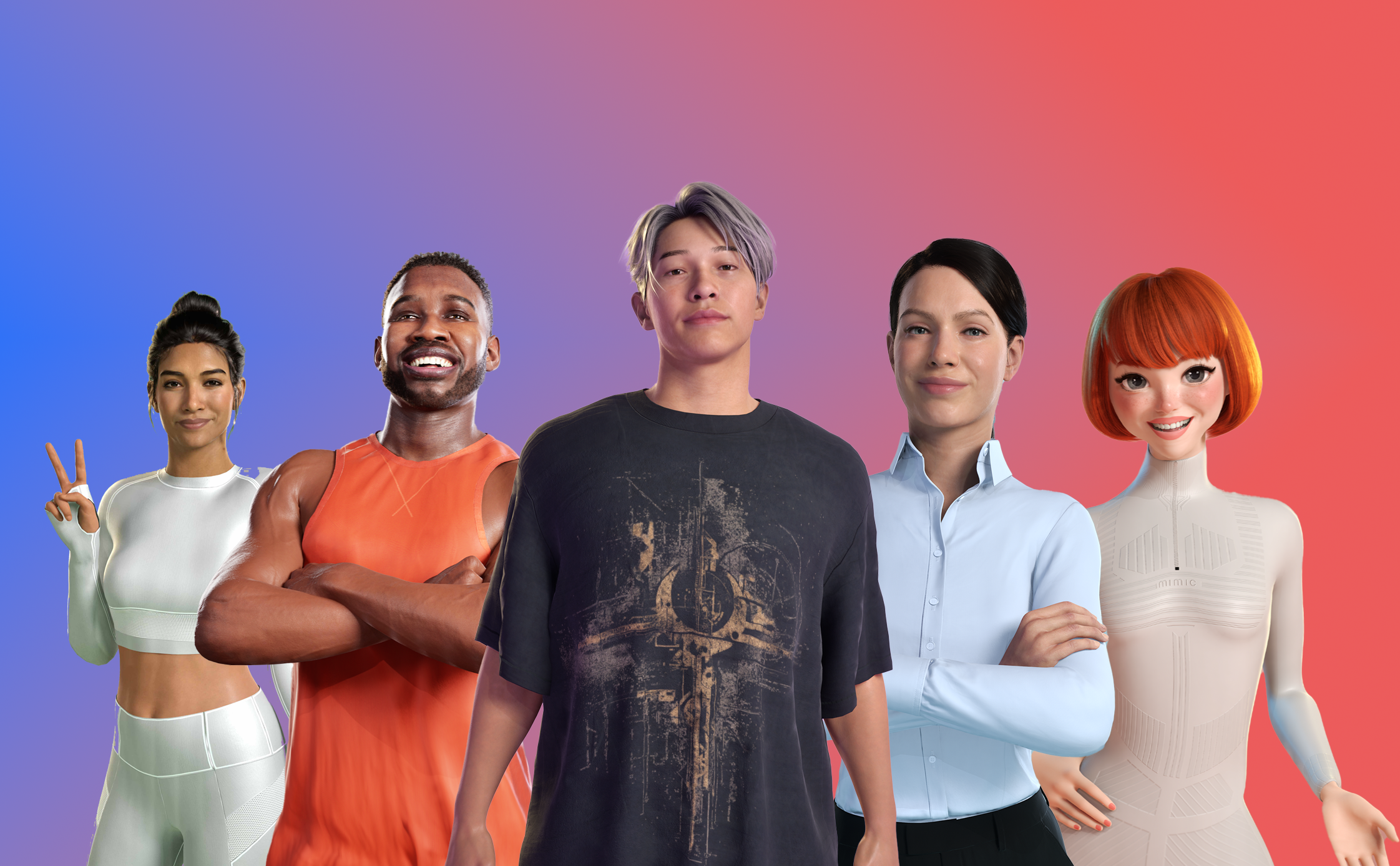
Mimic Productions is a Berlin-based studio for digital humans, and our AI avatar work can sit alongside VFX tasks rather than replacing them. That means the project can start with capture and character design, move into modelling, cleanup and rigging, then continue into animation, voice integration and delivery. If the brief is video-led, we can provide production-ready footage without real-time dependencies. If the brief requires interaction, the avatar can be prepared for cloud-hosted deployment, embeddable components or real-time use.
For VFX teams, the main value is keeping the character asset consistent from build to final output. The avatar can be prepared to support compositing, CGI integration and other post-production steps, while the technical route stays realistic for your schedule and team structure. We do not treat the avatar as a standalone trick. It is a character asset that has to fit the rest of the scene.
Define the avatar’s role, intended audience, languages and interaction setting before production. Share approved brand references and the boundaries of the conversation, including when the experience should hand a visitor to a person. For film and visual-effects work, include shot references and the relationship between digital characters and live-action footage.
Explore our AI Avatars services and VFX production.
Related production services: Character Rigging for VFX · 3D Animation for VFX · AI Avatars for Gaming.


How we work
How a project typically moves
01
Brief and scope
We define the avatar’s role, visual style, output format and whether the project is video-first or interactive.
02
Capture and build
Depending on the brief, we use webcam, phone, scanning or full 3D character creation to establish the asset.
03
Animation and voice
Rigging, facial calibration, lip-sync and consented voice work are prepared so the character behaves consistently.
04
Delivery and handoff
We provide the chosen output format and align it with your compositor, platform or runtime environment.
Frequently asked questions
Frequently asked questions
Is an AI avatar the same thing as a finished VFX character?
Not always. An AI avatar can be a character asset, a spoken presenter or an interactive digital human. In a VFX context, it still needs the right modelling, rigging, expression work and handoff to fit the final production. We scope the deliverable to the actual use case rather than assuming one format suits every project.
Can you deliver something that works inside a film or commercial pipeline?
Yes, provided the brief is clear. We can support character creation, animation, compositing and final output in a way that fits post-production requirements. If the project needs only rendered footage, we can avoid real-time dependencies. If integration is required, we can discuss web, app or engine-based deployment.
Do you offer realistic and stylised character options?
Yes. Our work includes fast personal capture, hyper-real replicas through photogrammetry and 3D scanning, and stylised full 3D models. That means the avatar can be designed to match a photoreal scene or a more graphic world, depending on the production brief and art direction.
Can you clone a voice for a character?
Voice cloning is possible, but only with explicit consent. That consent process is part of the service description and is treated as a production requirement rather than an optional extra. We also support audio mastering and can align the voice work with the avatar’s lip-sync and final compositing.
What if our team needs interaction as well as visuals?
Then we would discuss a conversational or runtime setup. The source material supports cloud-hosted avatar APIs, embeddable web components, mobile SDKs and real-time integration through platforms such as Unreal Engine or Unity. The visual build and the interactive layer are separate decisions, so we help define both before production begins.
Do you work on projects outside Berlin?
The studio is based in Berlin, and the source material says the team can relocate for client shoots or accommodate crews in the Wedding studio. That makes the offering practical for set-based or studio-based work, but it still depends on the exact brief, location and delivery needs.
Frequently asked questions