.png)
Motion Capture Myths Debunked: What Mocap Really Is - and Isn’t
Updated: Aug 26

capture (mocap) has become one of the most transformative technologies in entertainment, gaming, medical research, and virtual production. From blockbuster VFX sequences to realistic digital doubles, mocap is behind some of the most groundbreaking visuals we see today. Yet despite its widespread use and rapid advancements, motion capture myths continue to shape misconceptions about how the technology works, who can use it, and what it can achieve.
In this in-depth guide, we’re breaking down the most common motion capture myths, revealing the truth behind each misconception, and offering a clearer picture of what mocap production actually looks like. Whether you’re a filmmaker, developer, animator, or simply curious about how performance becomes digital magic, this article exposes what really goes on behind the markers.
Table of Contents
What Is Motion Capture?

Motion capture is the process of recording the movement of a performer and translating that data into a digital character. Today’s mocap systems range from full-body suits to markerless volumetric scanners, each serving different production needs.
Mocap is used across:
Animation
Film & TV
Virtual production
Video games
VR/AR
Medical research
Robotics
Sports science
To understand why motion capture myths persist, it’s crucial to first understand how complex and collaborative the process really is. For more on mocap fundamentals, see Types of Motion Capture Technology.
Why Motion Capture Myths Exist
Motion capture often appears deceptively simple from the outside: a suit, a performer, and a digital output. But behind the scenes, mocap requires a full ecosystem — technicians, animators, directors, engineers, specialized software, and post-processing experts.
Common causes of motion capture myths include:
Oversimplified behind-the-scenes footage
Viral videos of inexpensive consumer mocap suits
Misunderstanding the difference between motion capture and animation
The belief that technology can replace human skill
Lack of visibility into the cleanup and refinement process
Let’s break down the biggest myths one by one.
Myth 1: “Motion Capture Replaces Traditional Animation”

Reality: Mocap complements animation — it doesn’t replace it.
Motion capture doesn’t eliminate the need for skilled animators. Instead, it provides a foundation of natural movement that animators refine, stylize, and polish to match creative direction.
Animators enhance:
Facial nuance
Stylized movement
Timing & exaggeration
Weight distribution
Emotional expression
This myth often confuses mocap with full performance capture, which also records facial and finger movements. To understand the difference, see Motion Capture vs Performance Capture.
Even in big-budget productions, animators are essential — mocap is just one piece of the pipeline.
Myth 2: “Anyone Can Perform Mocap”

Reality: Mocap performance is a specialized skill requiring training.
Although mocap equipment has become more accessible, the quality of the performance still depends heavily on the performer. Movement must be precise, readable, and adapted to the limitations of mocap stages.
Professional mocap performers must master:
Body awareness
Physical stamina
Controlled movement
Multicharacter physicality
Timing for virtual cameras
Understanding of rig constraints
Just as acting on stage differs from acting on screen, mocap performance is its own discipline — and not everyone can do it well.
Myth 3: “Motion Capture Is Only for Video Games”

Reality: Mocap plays a major role across countless industries.
While mocap revolutionized the gaming industry early on, today it is used in:
Film & TV (for digital doubles, stunts, creatures)
Medical research (gait analysis, rehabilitation tracking)
Virtual reality (immersive avatar interaction)
Robotics (programming movement patterns)
Sports science (motion efficiency analysis)
Virtual production (real-time character driving)
Check out how mocap feeds into digital humans via Digital Doubles in Cinema.
Myth 4: “Motion Capture Is Expensive and Time-Consuming”

Reality: Costs have dropped significantly — and mocap often reduces production time.
High-end mocap studios once required multimillion-dollar camera systems. Today, options range from affordable suits to advanced optical systems, depending on production goals.
Factors that affect cost:
System type (optical, inertial, markerless)
Number of performers
Required cleanup and post-processing
Real-time vs. offline capture
Complexity of the project
Outsourcing or hiring specialized studios — such as Mimic Productions — often reduces both cost and time by eliminating trial-and-error.
To understand how full mocap suits contribute to this efficiency, see Motion Capture Suits Guide.
Myth 5: “The Suit and Markers Do All the Work Automatically”

Reality: Mocap relies on an entire team — not just technology.
Motion capture is not a plug-and-play process. Even the best suits or markerless systems need expert calibration, tracking, cleanup, and retargeting.
Key roles include:
Mocap technicians
Directors
Animators
Tracking specialists
Retargeting supervisors
3D character artists
Software engineers
After capture, data must be refined and mapped to a digital rig — a process that is far from automatic.
Myth 6: “Mocap and Animation Are the Same Thing”
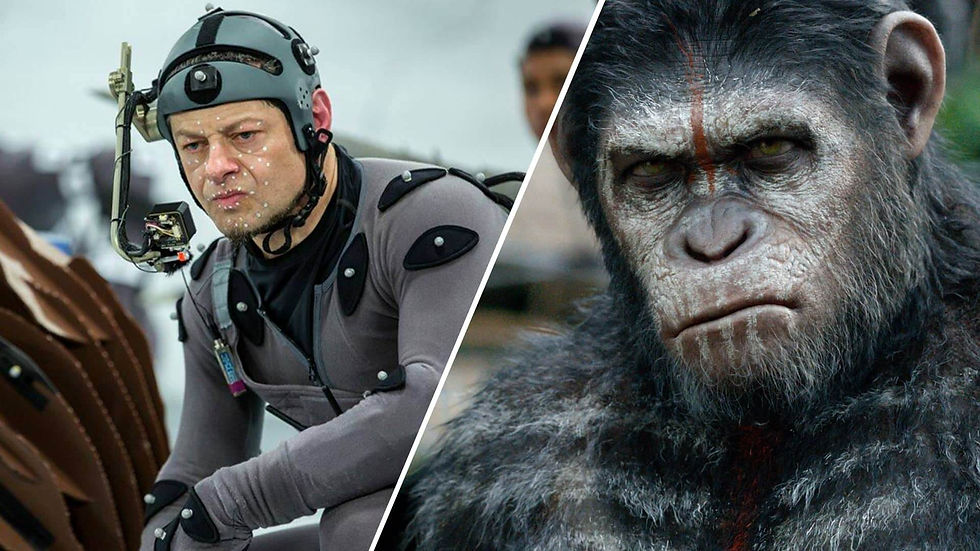
Reality: Mocap is one method within animation — not a replacement for it.
Animation includes a wide range of techniques:
Keyframe animation
Procedural animation
Simulation-based animation
Motion capture
Mocap provides realism; keyframing provides expressiveness and stylization. For an in-depth breakdown of how they compare, see Motion Capture vs Animation.
Comparison Table: Mocap vs Animation vs Performance Capture
Feature | Motion Capture | Performance Capture | Keyframe Animation |
Captures Body Movement | ✔️ | ✔️ | ❌ |
Captures Facial Performance | Sometimes | ✔️ | ❌ |
Captures Finger Movement | Sometimes | ✔️ | ❌ |
Requires Human Performer | ✔️ | ✔️ | ❌ |
Ideal For | Realistic motion | Full human acting | Stylized/creature animation |
Cleanup Required | Yes | Yes | No capture cleanup |
Production Speed | Fast | Fast | Slower |
For more details specifically about face capture, visit Facial Motion Capture.
Applications of Motion Capture Across Industries
Mocap is now essential across a wide range of fields:
Film & VFX: Creature acting, stunts, digital doubles
Games: Combat, traversal, cinematics
VR/AR: Real-time avatar tracking
Medical & Biomechanics: Rehab monitoring, gait studies
Robotics and AI training
Virtual Production: Real-time character driving
Each industry benefits from the precision and adaptability of mocap systems.
Benefits of Motion Capture
Produces highly realistic human movement
Accelerates animation workflows
Ensures physical accuracy
Enables real-time visualization
Improves actor-director communication
Allows rapid iteration
Works seamlessly with digital humans and doubles
For studios creating high-fidelity digital doubles, mocap is indispensable.
Challenges and Limitations
Even with advancements, mocap still has challenges:
Data cleanup and noise
Occlusion issues (optical systems)
Calibration time
Limited environmental space
Suit constraints and performer comfort
Stylization may require additional keyframing
Hardware costs for high-end systems
Despite these challenges, technology continues evolving rapidly.
The Future of Motion Capture Technology

The future of mocap is driven by AI, machine learning, and real-time innovation. We expect:
More accurate markerless systems
Real-time AI-based cleanup
Hyper-realistic digital doubles powered by mocap
VR-native movement pipelines
Full-body + facial + finger capture in a single pass
Expanded use in virtual production
Studios like Mimic Productions already integrate mocap with advanced digital human pipelines, pushing realism further than ever.
FAQs About Motion Capture Myths
1. Is motion capture cheating compared to animation?
No. Mocap is a tool — animators still refine and enhance the performance.
2. Do you need an expensive studio to capture high-quality motion?
Not always. Outsourcing to a mocap studio can be far more cost-effective.
3. Is mocap only useful for realistic human characters?
No. Creature and stylized characters often combine mocap + keyframing.
4. Can mocap automatically animate a character perfectly?
No. Cleanup, retargeting, and animation polish are always required.
5. Are mocap suits outdated now that markerless tech exists?
Not at all. Marker-based systems still deliver superior accuracy for film and AAA games.
6. Can beginners perform mocap?
They can, but professional work requires trained performers.
7. Is motion capture only for big-budget productions?
Costs have decreased dramatically — mocap is now accessible to indie creators.
8. Is performance capture the same as mocap?
No. Performance capture includes facial and finger movement; mocap usually refers to body motion. read here more.
Conclusion
Motion capture myths have shaped public perception for years, but the truth is far more nuanced: mocap is a sophisticated, collaborative, and creative process that enhances — not replaces — traditional animation techniques. From blockbuster films to VR simulations and medical research, mocap is revolutionizing how we understand movement, performance, and digital expression.
At Mimic Productions, our expertise in motion capture, performance capture, digital doubles, and real-time workflows positions us at the forefront of this evolution. Whether you’re producing a cinematic sequence or building a virtual-world experience, we help turn human performance into stunning digital reality.
Contact us For further information and queries, please contact Press Department, Mimic Productions: info@mimicproductions.com


Comments